Why Do Countries Go to War? The Complete Guide to the Causes of Conflict
Why Do Countries Go to War? Throughout history, war has been one of humanity’s most powerful—and devastating—forces. It has reshaped borders, overthrown governments, inspired technological breakthroughs, displaced millions of people, and altered the course of civilizations. From ancient battles fought with swords and shields to modern conflicts involving advanced technology and cyber warfare, war has remained a recurring feature of human history.
Despite its frequency, there is no single answer to the question: Why do countries go to war?
Some wars begin because of disputes over land or natural resources. Others are driven by political ambition, economic interests, national security concerns, or competing ideologies. In many cases, multiple factors combine over time, creating tensions that eventually escalate into armed conflict.
Understanding these causes is important not only for studying history but also for making sense of current events. By recognizing the patterns behind past conflicts, we can better understand why disputes arise and how diplomacy, cooperation, and international institutions work to prevent future wars.
This article does not attempt to justify or condemn any particular conflict. Instead, it examines the major causes of war from a historical and educational perspective, using examples to explain why nations sometimes choose military action instead of peaceful negotiation.
🧠 Did You Know? Historians have documented thousands of wars throughout recorded history, yet very few began because of a single cause. Most conflicts result from a combination of political, economic, social, and strategic factors that build over time.
What Is War?
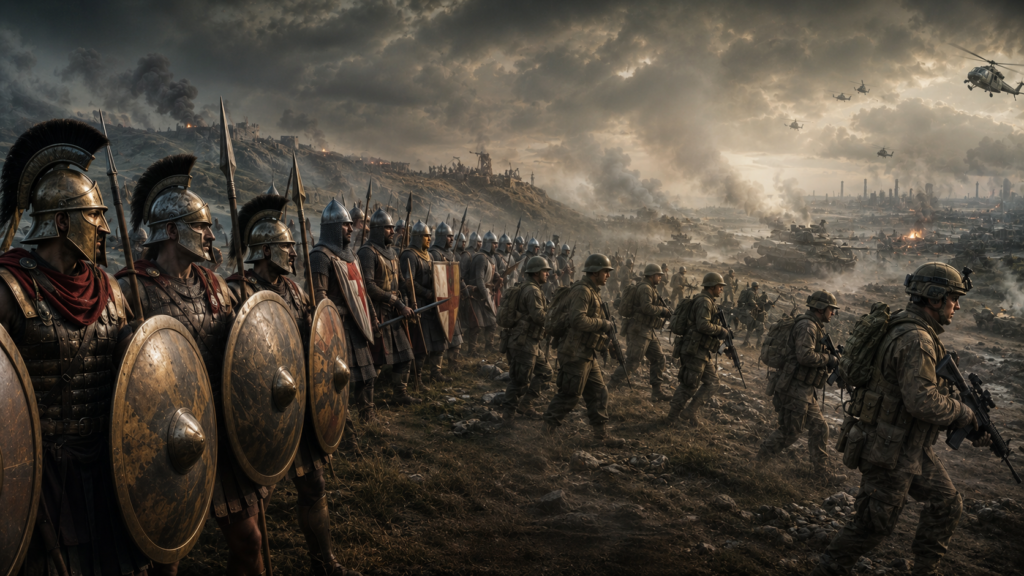
War is generally defined as an organized and prolonged armed conflict between states, governments, or other large groups. Unlike isolated acts of violence, wars involve coordinated military operations intended to achieve political, territorial, economic, or strategic objectives.
While wars differ greatly in scale and purpose, they usually involve several common elements:
- Organized armed forces
- Political objectives
- Use of military force
- Significant human and economic consequences
- Attempts to influence control, power, or security
Wars have changed dramatically throughout history.
Ancient civilizations fought primarily with swords, bows, and spears. Later periods introduced gunpowder, artillery, naval warfare, aircraft, and nuclear weapons. Today, warfare also includes cyberattacks, drones, satellite technology, and information campaigns.
Although technology has evolved, the underlying reasons for conflict often remain surprisingly similar.
Different Types of War
Not all wars are fought for the same reasons.
Interstate Wars
These occur between independent countries.
Examples include conflicts over borders, territory, or political influence.
Civil Wars
Civil wars take place within a single country, where different groups compete for political control, independence, or major social change.
Although internal, civil wars often attract international involvement.
Proxy Wars
Sometimes major powers support opposing sides in another country’s conflict without directly fighting each other.
These indirect conflicts are known as proxy wars.
Modern Hybrid Warfare
Today’s conflicts may involve military action alongside:
- Cyberattacks
- Economic pressure
- Intelligence operations
- Information campaigns
- Political influence
Modern warfare extends far beyond traditional battlefields.
💡 CurioReader Tip: Not every international disagreement becomes a war. Most disputes are resolved through diplomacy, negotiations, international law, or economic agreements before military action occurs.
📌 Quick Summary
War is:
- Organized armed conflict.
- Usually driven by political or strategic goals.
- Different from isolated violence.
- Increasingly influenced by technology.
- Often the result of multiple causes rather than one single event.
Territorial Disputes: Fighting Over Land
One of the oldest causes of war is the desire to control territory.
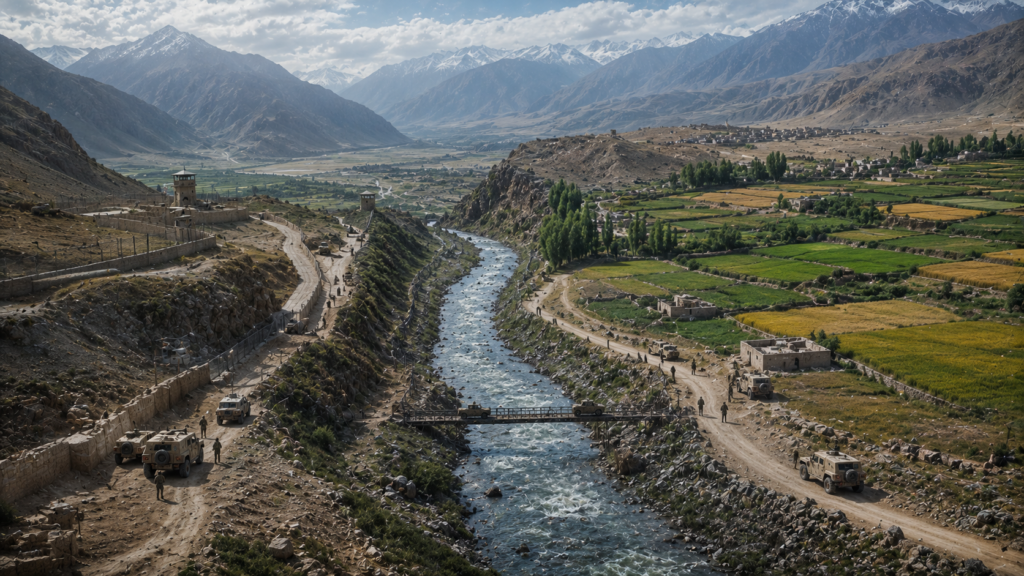
Land provides much more than physical space. It offers access to natural resources, agricultural land, trade routes, strategic military positions, and economic opportunities.
Throughout history, civilizations expanded their territories to increase wealth, security, and political influence.
Why Territory Matters
Countries may dispute land because it contains:
- Fertile farmland
- Valuable minerals
- Oil or natural gas
- Freshwater sources
- Important ports
- Mountain passes
- Strategic coastlines
Some regions also hold deep historical, cultural, or religious significance, making compromise particularly difficult.
Borders and National Identity
Modern borders are often the result of centuries of treaties, migrations, colonial rule, and previous wars.
Sometimes different countries claim the same territory because each believes it has historical or legal rights to it.
Even relatively small areas can become major international disputes if they are strategically important.
Historical Examples
History offers many examples of conflicts influenced by territorial ambitions.
Ancient empires, including Rome, Persia, and Mongolia, expanded by conquering neighbouring lands.
In later centuries, European colonial powers competed for overseas territories across Africa, Asia, and the Americas.
Even today, territorial disputes remain one of the most common sources of international tension.
🔬 History Fact: Control of strategic waterways—such as canals, rivers, and narrow sea passages—has often been just as important as controlling land itself because these routes influence trade and military movement.
📌 Quick Summary
Territorial disputes arise because land provides:
- Security
- Resources
- Economic opportunities
- Historical significance
- Strategic advantages
Many wars involve disagreements over who has the right to govern or control particular regions.
Competition for Natural Resources
Natural resources have always played an important role in shaping international relations.
As populations grow and economies develop, access to essential resources becomes increasingly valuable.
Competition over these resources has contributed to numerous historical conflicts.
Water
Fresh water is essential for agriculture, industry, and daily life.
Rivers that flow through multiple countries sometimes create disagreements over water usage, dam construction, and irrigation.
As climate change and population growth increase pressure on water supplies, international cooperation becomes increasingly important.
Energy Resources
Modern economies depend heavily on reliable energy supplies.
Oil, natural gas, and other energy resources have influenced global politics for more than a century.
Countries often seek stable access to energy for economic growth, transportation, and national security.
Minerals and Rare Earth Elements
Modern technologies require numerous valuable minerals.
Materials used in electronics, batteries, renewable energy systems, and advanced manufacturing have become strategically important.
Competition for these resources increasingly influences international economic and political relationships.
Food Security
Agricultural land has always been valuable.
Throughout history, droughts, crop failures, and food shortages have increased tensions between neighbouring societies.
Stable food production remains an essential component of national security.
🌟 CurioReader Insight: Resources rarely cause wars by themselves. Instead, competition over valuable resources often combines with political, economic, and security concerns to increase tensions between nations.
📌 Quick Summary
Resource competition may involve:
- Water
- Oil
- Natural gas
- Minerals
- Agricultural land
- Energy supplies
Access to these resources can influence diplomacy, trade, and, in some cases, armed conflict.
Political Power and National Security
Governments are responsible for protecting their populations and maintaining national security.
Sometimes leaders believe that military action is necessary to defend their country’s interests or strengthen its position in the international system.
Whether these decisions are justified is often debated by historians and political scientists.
Expansion of Political Influence
Throughout history, powerful states have often sought to expand their influence beyond their own borders.
Greater influence may provide:
- Increased security
- Economic opportunities
- Strategic military positions
- Political prestige
Ancient empires expanded through conquest, while modern influence may also involve diplomacy, trade, and international partnerships.
Balance of Power
International relations often involve maintaining a balance between powerful countries.
If one nation becomes significantly stronger, neighbouring countries may strengthen alliances or increase military spending to protect their own security.
This dynamic has influenced many conflicts throughout history.
Military Alliances
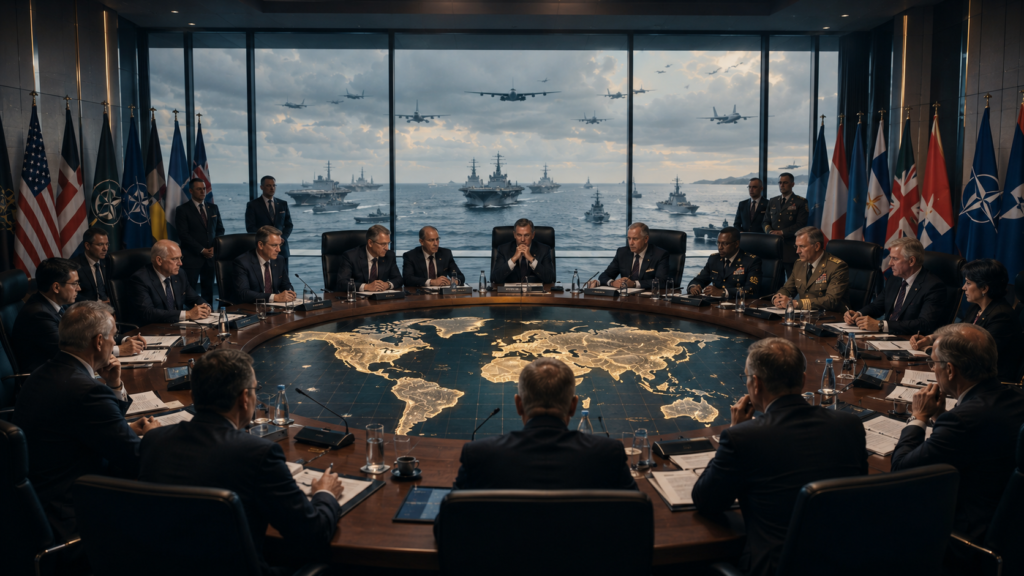
Countries frequently form alliances to improve collective security.
These agreements can deter conflict by discouraging attacks on alliance members.
However, alliances can also increase the risk of wider wars if multiple countries become involved after one member is attacked.
The outbreak of World War I is one historical example where alliance commitments contributed to the rapid expansion of a regional conflict into a global war.
🧠 Did You Know? Historians often describe the years before World War I as a period in which alliances, military planning, and political tensions combined to create conditions where even a single event could trigger a much larger conflict.
Economic Competition
Economic strength has always been closely connected to national power.
Countries compete to secure markets, trade routes, investment opportunities, and access to important goods.
Historically, economic rivalry has sometimes increased political tensions, particularly when combined with territorial or strategic disputes.
For example, control of major trade routes has long been valuable because it influences commerce, taxation, and international influence. During the age of exploration, European powers established overseas colonies partly to expand trade and obtain valuable resources.
Today, economic competition is more commonly expressed through trade negotiations, tariffs, sanctions, and technological competition rather than direct military confrontation. However, economic pressures can still affect international relationships and, in some circumstances, contribute to broader geopolitical tensions.
💡 CurioReader Tip: Modern international trade often encourages cooperation because countries benefit economically from stable and peaceful relationships. Strong economic ties can reduce the likelihood of conflict, although they do not eliminate it entirely.
📌 Quick Summary
The major causes explored so far include:
- Territorial disputes
- Competition for natural resources
- Political power and national security
- Economic competition
In most historical conflicts, these factors overlap rather than operate independently.
Religion, Ideology, and Cultural Differences
Religion and ideology are often mentioned as causes of war. While they have influenced many conflicts throughout history, historians generally agree that wars rarely begin because of a single religious belief or ideology alone.
Instead, religion or ideology often becomes intertwined with political power, territorial disputes, economic interests, or national identity.
Understanding this distinction helps us avoid oversimplifying complex historical events.
Religion and Conflict
Religion has shaped cultures, laws, traditions, and moral values for thousands of years. In some historical conflicts, religious differences have contributed to tensions between groups.
However, many wars commonly described as “religious wars” also involved:
- Political power
- Territorial expansion
- Economic interests
- Control of trade routes
- Dynastic rivalries
Religion often influenced how people understood these conflicts, but it was rarely the only factor.
It is equally important to remember that religious communities have also played significant roles in promoting peace, education, healthcare, and humanitarian work throughout history.
Ideology
An ideology is a system of political, economic, or social beliefs.
During the twentieth century, ideological differences influenced many international conflicts.
Examples include disagreements over:
- Democracy
- Communism
- Fascism
- Colonialism
- National independence
The Cold War, for example, was largely shaped by ideological competition between different political systems, although it also involved military strategy, economic influence, and global alliances.
💡 CurioReader Tip: When studying any historical conflict, ask “Were political, economic, and strategic factors also involved?” The answer is almost always yes.
📌 Quick Summary
Religion and ideology can influence conflicts, but they usually interact with:
- Politics
- Economics
- Territory
- Security
- National identity
Most wars result from multiple interconnected causes.
Nationalism and the Desire for Self-Determination
Nationalism is one of the most influential forces in modern history.
It refers to a strong sense of loyalty and identity connected to a nation, culture, language, or shared history.
Nationalism can unite people and inspire cooperation, but it can also contribute to conflict when different groups seek control over the same territory or political future.
Independence Movements
Throughout history, many regions have sought independence from larger empires or colonial powers.
These movements often aimed to achieve:
- Self-government
- Cultural preservation
- Political representation
- Economic independence
While many independence movements achieved peaceful transitions, others resulted in prolonged armed conflict.
Border Disputes
Borders created through historical treaties, colonial administration, or previous wars sometimes leave different communities divided.
Competing claims over these regions can become sources of international tension.
Because national identity is closely tied to culture and history, territorial negotiations can be emotionally and politically challenging.
Patriotism vs Nationalism
Patriotism and nationalism are related but not identical.
Patriotism generally refers to pride in one’s country and a desire to contribute positively to society.
Nationalism, depending on how it is expressed, may involve stronger beliefs about national identity or political goals.
Like many political ideas, nationalism can produce both positive and negative outcomes depending on how it is applied.
🧠 Did You Know? Many countries that exist today gained independence during the twentieth century as colonial empires gradually dissolved, reshaping the global political map.
Miscommunication and Failed Diplomacy
Not every war begins because leaders actively seek conflict.
Sometimes misunderstandings, poor communication, or failed negotiations allow tensions to escalate until peaceful solutions become increasingly difficult.
Diplomacy exists precisely to prevent this outcome.
The Importance of Diplomacy
Diplomacy involves communication and negotiation between governments to resolve disagreements without military force.
Diplomatic efforts may include:
- Direct negotiations
- Peace conferences
- International mediation
- Treaties
- Economic agreements
Successful diplomacy allows countries to protect their interests while avoiding the enormous costs of war.
Miscalculations
History shows that leaders sometimes misjudge the intentions or capabilities of other countries.
Examples include:
- Underestimating military strength
- Expecting quick victories
- Misinterpreting political signals
- Believing opponents will not respond
Such miscalculations have contributed to the escalation of several historical conflicts.
Escalation
Small incidents can sometimes trigger much larger crises when tensions already exist.
Political scientists often describe this as escalation, where each side responds to the other’s actions until compromise becomes increasingly difficult.
🌟 CurioReader Insight: Wars often begin long before the first shots are fired. Years of growing distrust, political tension, and failed diplomacy frequently create the conditions for conflict.
📌 Quick Summary
Diplomacy seeks to prevent conflict through:
- Negotiation
- Communication
- International cooperation
- Peace agreements
When diplomacy fails, existing tensions may escalate into war.

Modern Warfare in the 21st Century
Although traditional military conflicts continue, warfare has changed significantly over the past century.
Today’s conflicts often involve technology, economics, and information as much as conventional armies.
Cyber Warfare
Cyberattacks target computer systems, communication networks, financial institutions, and critical infrastructure.
Rather than using physical weapons, attackers may attempt to:
- Disrupt services
- Steal information
- Damage computer systems
- Influence public confidence
Cybersecurity has therefore become an important aspect of national security.
Information Warfare
Information itself has become a strategic resource.
Governments, organizations, and other groups may attempt to influence public opinion through:
- Propaganda
- Disinformation
- Social media campaigns
- Digital manipulation
Learning to evaluate information critically has become increasingly important.
Economic Warfare
Countries sometimes use economic measures instead of military force.
Examples include:
- Trade restrictions
- Financial sanctions
- Export controls
- Asset freezes
These measures aim to influence another country’s behaviour while avoiding direct armed conflict.
Artificial Intelligence and Future Warfare
Artificial intelligence is transforming many aspects of society, including defence technologies.
Potential applications include:
- Intelligence analysis
- Autonomous systems
- Cybersecurity
- Logistics
- Decision support
These developments also raise important ethical and legal questions about accountability, human oversight, and international regulation.
🔬 Science Says: Researchers and policymakers around the world are actively studying how emerging technologies such as AI, autonomous systems, and quantum computing may influence future security and international stability.
Can War Be Prevented?
History demonstrates that conflict is not inevitable.
Although wars continue to occur, many international disputes are successfully resolved through peaceful means.
Several factors help reduce the likelihood of war.
Diplomacy
Open communication allows governments to negotiate solutions before tensions escalate.
International Organizations
Organizations such as the United Nations provide forums where countries can discuss disputes, coordinate humanitarian assistance, and support peacekeeping efforts.
While these organizations cannot prevent every conflict, they often contribute to dialogue and cooperation.
International Law
International agreements establish rules governing issues such as borders, trade, maritime navigation, and the conduct of armed conflict.
These legal frameworks encourage peaceful dispute resolution.
Economic Cooperation
Countries with strong trade relationships often have incentives to maintain stable and peaceful relations because conflict can harm both economies.
Cultural Exchange
Education, tourism, scientific collaboration, and cultural programs help build understanding between societies.
Greater understanding can reduce stereotypes and encourage cooperation.
💡 CurioReader Tip: Peace is more than the absence of war. It also depends on trust, communication, justice, economic opportunity, and international cooperation.
📌 Quick Summary
Peace is supported by:
- Diplomacy
- International law
- Economic cooperation
- Cultural exchange
- International organizations
Preventing conflict often requires long-term cooperation rather than short-term solutions.

Common Myths About War
Myth 1: Wars Always Have One Single Cause
Most wars develop from multiple political, economic, social, territorial, and security factors rather than one isolated event.
Myth 2: Religion Is the Main Cause of Every War
Religion has influenced some conflicts, but historians generally recognize that political, economic, and strategic interests are usually involved as well.
Myth 3: Military Strength Alone Guarantees Peace
Strong defence capabilities may deter some conflicts, but lasting peace also depends on diplomacy, trust, economic cooperation, and effective communication.
Myth 4: War Is Inevitable
History includes many successful examples of disputes being resolved through negotiation, treaties, and international cooperation.
Frequently Asked Questions
Why do countries usually go to war?
Most wars result from a combination of territorial disputes, political ambitions, economic competition, security concerns, nationalism, and ideological differences rather than a single cause.
What is the most common cause of war?
There is no single universal cause. Throughout history, territorial disputes, competition for power, and security concerns have been among the most frequent contributing factors.
Can diplomacy always prevent war?
Not always. Diplomacy can resolve many disputes, but it depends on the willingness of all parties to negotiate and compromise.
Has warfare changed over time?
Yes. While traditional military conflict continues, modern warfare also includes cyberattacks, economic measures, information campaigns, and emerging technologies such as artificial intelligence.
Key Takeaways
Wars have shaped the course of human history, but their causes are rarely simple.
Remember these key ideas:
- Wars usually result from multiple interconnected factors.
- Territorial disputes, resources, political power, and national security remain major causes of conflict.
- Religion and ideology often interact with political and economic interests rather than acting alone.
- Nationalism, failed diplomacy, and miscommunication can increase tensions.
- Modern warfare increasingly includes cyber, economic, and information-based strategies.
- Diplomacy, international cooperation, and mutual understanding remain essential tools for maintaining peace.
🌟 CurioReader Insight: Understanding why wars begin is not about predicting every future conflict. It is about recognizing the complex factors that influence international relations and appreciating the importance of peaceful solutions whenever possible.
Conclusion
War has been a recurring part of human history, shaping civilizations, borders, economies, and cultures. Yet history also shows that no single explanation can fully account for why countries go to war. Most conflicts arise from a combination of territorial disputes, political ambitions, competition for resources, economic interests, security concerns, nationalism, and ideological differences. These factors often build gradually over years—or even decades—before a crisis triggers open conflict.
At the same time, history demonstrates that war is not the only path available. Diplomacy, international law, economic cooperation, cultural exchange, and open communication have prevented countless disputes from escalating into violence. While these approaches are not always successful, they highlight the value of dialogue and collaboration in maintaining international stability.
Studying the causes of war is ultimately about more than understanding past battles. It helps us appreciate the complexity of global affairs, recognize the importance of evidence over assumptions, and understand why peaceful conflict resolution remains one of humanity’s greatest challenges—and achievements.
🚀 Think About This: Every major war has changed history, but so has every successful peace agreement. When we study why conflicts begin, we also learn what it takes to build a more peaceful future.
Further Reading & Resources
Continue your learning journey with more expert guides and insightful articles from CurioReader. Explore related topics below to deepen your understanding and discover new perspectives.
Related CurioReader Articles
- The Battle of Crete (1941): The Airborne Battle That Changed World War II
- The Last Letter Home: A World War II Story (Chapter 1)
Recommended External Resources