Disclaimer
Educational Disclaimer: This article is intended for educational and informational purposes only. It is not a substitute for professional medical advice, diagnosis, or treatment. If you have concerns about your mental or emotional well-being, consult a qualified healthcare professional. If you or someone you know is in immediate danger or experiencing thoughts of self-harm, seek emergency assistance or contact your local crisis services immediately.
Introduction
The Complete Guide to Mental Health and Emotional Well-Being. Mental health is one of the most important aspects of overall well-being, yet it is often misunderstood. While many people associate mental health only with mental illness, the reality is much broader. Mental health influences how we think, feel, learn, make decisions, build relationships, respond to stress, and navigate the challenges of everyday life. It is a fundamental part of being human.
Just as physical health changes over time, mental health also exists on a continuum. Everyone experiences periods of happiness, sadness, confidence, worry, motivation, and disappointment. These emotions are normal and often reflect life’s changing circumstances. Having occasional stress or feeling low after a difficult event does not necessarily mean someone has a mental health condition. Likewise, people living with diagnosed mental health conditions can often lead fulfilling, productive lives with appropriate support and treatment.
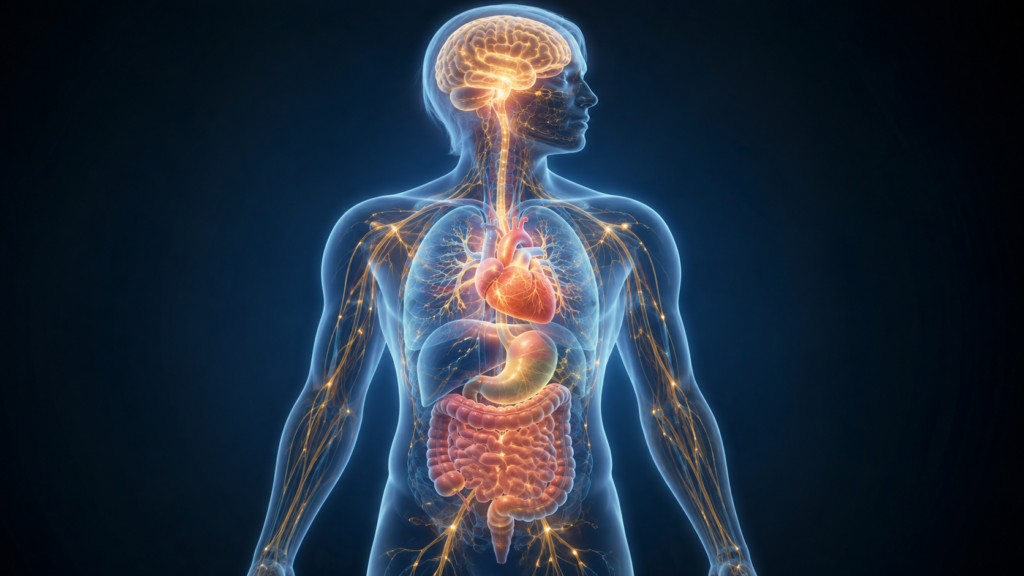
Modern research has also shown that mental health is closely connected to physical health. Chronic stress can affect sleep, heart health, digestion, and immune function, while regular exercise, balanced nutrition, quality sleep, and supportive relationships can positively influence emotional well-being. Rather than existing separately, the mind and body constantly interact in ways that shape our overall health.
Awareness of mental health has grown significantly over the past two decades. Schools, workplaces, healthcare providers, and governments increasingly recognize that emotional well-being contributes to learning, productivity, healthy relationships, and quality of life. At the same time, reducing stigma has encouraged more people to seek support when they need it.
In this comprehensive guide, you’ll learn what mental health truly means, how emotional well-being develops, why it matters throughout life, and the everyday habits that support a healthier mind. We’ll also explore common misconceptions, the science behind mental well-being, and practical strategies that can help people build resilience and cope with life’s challenges.
💡 CurioReader Tip
Mental health isn’t something you either have or don’t have—it changes throughout life. Looking after your mental well-being should be viewed as an ongoing part of a healthy lifestyle, just like eating nutritious food or staying physically active.
🌍 Did You Know?
The World Health Organization defines mental health as a state of mental well-being that enables people to cope with life’s stresses, realize their abilities, learn and work well, and contribute to their communities. It emphasizes that mental health is more than simply the absence of mental illness.

What Is Mental Health?
Mental health refers to a person’s overall psychological, emotional, and social well-being. It affects how individuals think, feel, behave, cope with stress, make choices, and interact with others throughout every stage of life. According to the World Health Organization, mental health is an integral part of health and well-being rather than a separate concept.
Good mental health does not mean feeling happy all the time. Life naturally includes disappointment, grief, frustration, uncertainty, and emotional pain. Instead, good mental health involves developing the ability to respond to these experiences in healthy ways while continuing to function in daily life.
Someone with positive mental well-being is generally able to:
- Recognize and understand their emotions.
- Adapt to change and life’s challenges.
- Build and maintain healthy relationships.
- Learn, work, and solve problems effectively.
- Make thoughtful decisions.
- Find purpose and meaning in life.
- Recover from setbacks over time.
Mental health exists on a continuum rather than in fixed categories. At different points in life, people may experience periods of flourishing, struggle, recovery, and growth. These changes can be influenced by biological, psychological, social, and environmental factors.
Mental Health Is Part of Overall Health
For many years, physical and mental health were often viewed as separate. Modern science has shown that they are deeply interconnected.
For example:
- Poor sleep can affect mood and concentration.
- Chronic stress may contribute to high blood pressure and weakened immune function.
- Regular physical activity is associated with improved mood and reduced stress.
- Long-term physical illnesses can increase the risk of emotional distress.
This two-way relationship means that caring for the body also supports the mind, while maintaining good mental health can positively influence physical well-being.
Key Terms
Mental Health: A person’s psychological, emotional, and social well-being.
Emotional Well-Being: The ability to understand, express, and manage emotions while maintaining satisfying relationships and adapting to life’s challenges.
Resilience: The capacity to recover and adapt after setbacks, stress, or adversity.
Well-Being: A broad concept that includes physical, mental, emotional, and social health.
Mental Health vs. Mental Illness
One of the most common misconceptions is that mental health and mental illness are the same thing. Although related, they describe different concepts.
Mental health refers to everyone’s emotional and psychological well-being. Every person has mental health, just as everyone has physical health.
Mental illness, on the other hand, refers to diagnosable health conditions that significantly affect a person’s thoughts, emotions, behaviors, or daily functioning. Examples include depressive disorders, anxiety disorders, bipolar disorder, schizophrenia, and others. These conditions vary widely in severity and often respond to evidence-based treatment and support.
A useful comparison is physical health.
A person can:
- Be physically healthy.
- Have a temporary illness like the flu.
- Live with a long-term condition such as diabetes while still enjoying a high quality of life.
Similarly, someone may experience temporary emotional difficulties without having a mental illness, while another person living with a diagnosed mental health condition may manage it successfully and lead a meaningful life.
Recognizing this distinction helps reduce stigma and encourages more balanced conversations about mental well-being.
Myth vs. Fact
| Myth | Fact |
|---|---|
| Mental health only matters if someone has a mental illness. | Mental health is important for everyone and influences daily life, relationships, learning, and work. |
| Feeling stressed means you have a mental disorder. | Stress is a normal response to challenges. It becomes a concern when it is persistent, overwhelming, or significantly affects daily functioning. |
| People with mental health conditions cannot live successful lives. | Many people manage mental health conditions successfully with appropriate support, treatment, and healthy coping strategies. |
Real-Life Example
Imagine two colleagues preparing for an important presentation.
The first person feels nervous the night before, sleeps slightly less than usual, delivers the presentation successfully, and gradually relaxes afterward.
The second person experiences persistent anxiety for weeks, struggles to concentrate, avoids work responsibilities, and finds that the distress significantly interferes with daily life.
Both individuals experience anxiety, but the intensity, duration, and impact are different. This example illustrates why mental health exists on a spectrum and why temporary emotions should not automatically be confused with a diagnosable mental health condition.
Quick Summary
- Mental health is an essential part of overall health.
- Everyone has mental health, regardless of whether they have a mental illness.
- Good mental health does not mean constant happiness.
- Mental health changes throughout life and is influenced by many factors.
- Understanding the difference between mental health and mental illness helps reduce stigma.
Why Mental Health Matters
Mental health influences nearly every aspect of our daily lives. It affects how we respond to challenges, build relationships, make decisions, learn new skills, and care for ourselves. Whether we are studying for an exam, raising a family, working in a demanding job, or enjoying retirement, our mental well-being shapes how we experience life.
The World Health Organization describes mental health as an essential part of health and well-being and recognizes it as a fundamental human right. Good mental health enables people to cope with life’s normal stresses, work productively, realize their abilities, and contribute to their communities.
When mental well-being is supported, people are generally better able to:
- Handle everyday stress.
- Build positive relationships.
- Make thoughtful decisions.
- Learn new skills.
- Adapt to change.
- Maintain healthy routines.
- Enjoy a greater sense of purpose.
Conversely, prolonged emotional distress or untreated mental health conditions can affect many areas of life, including physical health, education, work performance, relationships, and overall quality of life. Fortunately, many mental health conditions are treatable, and early support often leads to better outcomes.
🌱 CurioReader Tip
Think of mental health as the foundation of a house. When the foundation is strong, it becomes easier to handle life’s inevitable storms. Investing in your mental well-being today can improve your resilience for years to come.
The Five Components of Emotional Well-Being
Although emotional well-being is part of overall mental health, it focuses specifically on how we understand, experience, and manage emotions.
While every person’s experience is unique, emotionally healthy individuals often develop strengths in several key areas.
1. Self-Awareness
Self-awareness means recognizing your own emotions, thoughts, strengths, and limitations.
For example, instead of simply feeling irritable, a self-aware person might recognize that they are exhausted after several nights of poor sleep or overwhelmed by multiple responsibilities.
Developing self-awareness is often the first step toward positive change.
2. Emotional Regulation
Emotional regulation does not mean suppressing feelings.
Instead, it involves responding to emotions in constructive ways.
For example:
- Taking a few deep breaths before reacting in anger.
- Talking through disappointment instead of withdrawing completely.
- Seeking support during difficult times.
Learning to regulate emotions is a lifelong skill that helps people navigate relationships and stressful situations.
3. Positive Relationships
Humans are naturally social beings.
Supportive relationships with family, friends, colleagues, and communities provide emotional support, encouragement, and a sense of belonging.
Healthy relationships are built on:
- Trust
- Respect
- Communication
- Empathy
- Mutual support
Research consistently shows that strong social connections are associated with better mental well-being.
4. Purpose and Meaning
People generally experience greater well-being when they feel their lives have meaning.
Purpose does not have to involve major achievements.
It may come from:
- Raising children
- Volunteering
- Learning new skills
- Helping others
- Creative hobbies
- Spiritual or cultural practices
- Personal goals
Having meaningful activities often provides motivation during challenging times.
5. Adaptability
Life constantly changes.
New jobs, moving house, illness, financial challenges, relationship changes, and aging all require adjustment.
Adaptability is the ability to adjust to changing circumstances while continuing to move forward.
This ability forms an important part of emotional resilience, which we’ll explore in greater detail later in this guide.
Quick Summary
Healthy emotional well-being includes:
- Understanding emotions
- Managing emotional responses
- Building healthy relationships
- Finding purpose
- Adapting to life’s changes
The Science Behind Mental Health
Mental health is influenced by a complex interaction between the brain, body, genes, experiences, and environment.
Scientists often describe this as the biopsychosocial model, meaning mental well-being is shaped by biological, psychological, and social factors working together.
No single factor determines a person’s mental health.
Instead, it develops through lifelong interactions among many influences.
The Brain
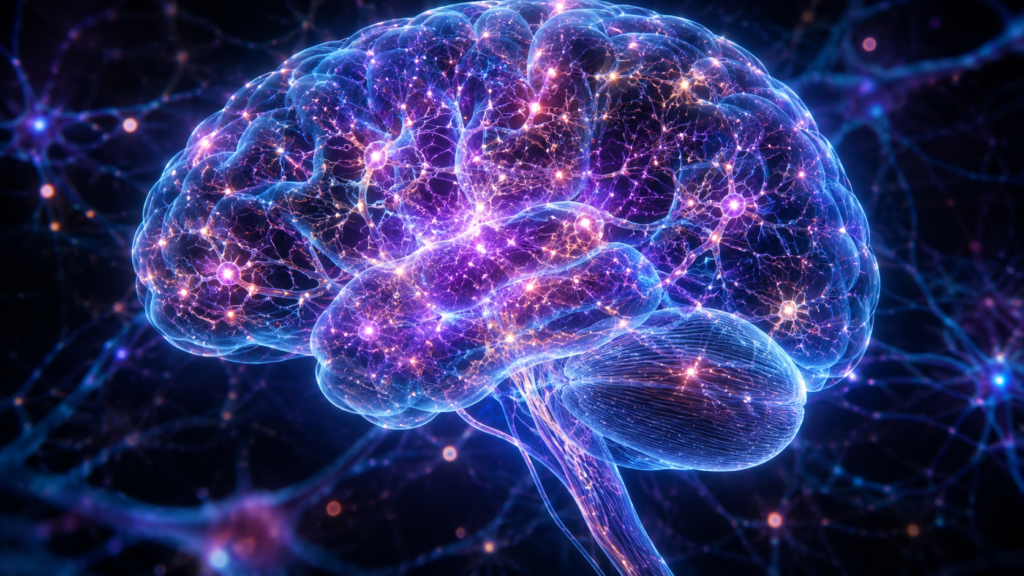
The brain contains approximately 86 billion nerve cells (neurons) that communicate through electrical signals and chemical messengers called neurotransmitters.
Different brain regions contribute to different functions.
For example:
- The prefrontal cortex helps with planning, decision-making, and self-control.
- The amygdala helps process emotions such as fear.
- The hippocampus plays an important role in learning and memory.
These regions constantly communicate with one another.
Neurotransmitters
Neurons communicate using neurotransmitters.
Some of the best-known include:
- Serotonin – involved in mood, sleep, and appetite.
- Dopamine – associated with motivation, learning, and reward.
- Norepinephrine – helps regulate alertness and the body’s stress response.
- GABA – helps calm brain activity.
Scientists continue studying these systems, recognizing that mental health cannot be explained by any single “chemical imbalance.” Instead, it results from complex interactions among brain networks, genetics, life experiences, and environmental factors.
The Brain and the Body Work Together
Mental and physical health are deeply interconnected.
For example:
- Poor sleep may reduce concentration and increase irritability.
- Regular physical activity supports brain health.
- Nutritious diets provide essential nutrients for normal brain function.
- Chronic illnesses can influence emotional well-being.
- Long-term stress may affect multiple body systems.
Similarly, improving physical health often benefits emotional well-being.
🔬 CurioReader Science Spotlight
The human brain remains one of the most complex structures ever studied. Although researchers have learned a great deal about how the brain processes emotions, memory, and decision-making, many aspects of mental health remain active areas of scientific research.
Common Misconceptions About Mental Health
Despite growing awareness, misunderstandings about mental health remain common.
Correcting these myths helps reduce stigma and encourages healthier conversations.
Misconception 1: Good mental health means always being happy.
Reality: Every person experiences sadness, disappointment, anger, grief, and worry. Good mental health means developing healthy ways to cope with these emotions rather than avoiding them.
Misconception 2: Asking for help is a sign of weakness.
Reality: Seeking support is often a sign of self-awareness and strength. Just as people seek medical care for physical illnesses, many people benefit from professional support for mental health concerns.
Misconception 3: Mental health problems only affect adults.
Reality: Mental health is important throughout every stage of life, from childhood through older adulthood. Early experiences, family environments, education, relationships, and life events all influence well-being.
Misconception 4: Stress is always harmful.
Reality: Stress is a natural human response to challenging situations. Small amounts of stress can improve focus and performance. Problems generally arise when stress becomes severe, persistent, or overwhelming.
Misconception 5: Mental health conditions cannot be treated.
Reality: Many mental health conditions respond well to evidence-based treatments, lifestyle changes, psychological therapies, medication when appropriate, and social support.
🌍 Did You Know?
Globally, mental disorders are among the leading causes of disability, affecting hundreds of millions of people. However, effective prevention strategies, treatments, and community support can significantly improve quality of life.
Real-Life Example
Imagine two friends who both lose their jobs unexpectedly.
One initially feels worried and discouraged but gradually adapts by updating their résumé, seeking support from family, and applying for new opportunities.
The other experiences overwhelming distress for months, withdraws from loved ones, struggles to perform daily tasks, and finds it difficult to regain hope.
Both reactions begin with the same life event, but personal circumstances, coping skills, support systems, financial pressures, previous experiences, and overall mental health influence how each person responds.
This illustrates why mental health is highly individual and why there is no single “normal” response to life’s challenges.
Key Takeaways
- Mental health is an essential part of overall health and well-being.
- Everyone has mental health, regardless of whether they have a diagnosed mental health condition.
- Emotional well-being includes self-awareness, emotional regulation, healthy relationships, purpose, and adaptability.
- The brain, body, environment, and life experiences all interact to influence mental health.
- Mental health exists on a continuum and changes throughout life.
- Many common myths contribute to stigma and misunderstandings.
- Building healthy daily habits and seeking support when needed can strengthen long-term mental well-being.
Factors That Influence Mental Health
Mental health is shaped by far more than individual thoughts or emotions. It develops through a continuous interaction between biological characteristics, personal experiences, relationships, lifestyle, culture, and the surrounding environment. No single factor determines whether a person will experience positive mental well-being or develop a mental health condition.
Researchers often describe this as a combination of risk factors and protective factors. Risk factors increase the likelihood of experiencing mental health difficulties, while protective factors help people cope with challenges and build resilience. Importantly, the presence of risk factors does not mean someone will develop a mental health condition, just as protective factors cannot eliminate every difficulty. Mental health exists on a continuum and changes throughout life.
🌱 CurioReader Tip
Rather than asking, “What causes mental health problems?”, a better question is “What factors influence mental health?” Most people’s well-being is shaped by many interacting influences rather than a single cause.
Biological Factors
Biology provides the foundation for many aspects of mental health. Every person’s brain develops differently, influenced by genetics, hormones, physical health, and age.
Genetics
Research shows that some mental health conditions tend to occur more frequently within families. This does not mean they are directly inherited in the same way as eye color or blood type.
Instead, genetics may influence a person’s susceptibility. Whether a condition develops often depends on additional environmental and life experiences.
For example:
- A family history of depression does not guarantee that another family member will experience depression.
- Many people with no family history of mental illness develop mental health conditions.
- Lifestyle, relationships, stress, and access to support all influence outcomes.
Genes are one part of a much larger picture.
Brain Development
The brain continues developing well into early adulthood.
Experiences during childhood and adolescence—including education, supportive relationships, nutrition, sleep, and stressful events—can all influence healthy brain development.
Scientists now understand that the brain remains adaptable throughout life, a property known as neuroplasticity.
This means healthy habits and supportive environments can continue strengthening brain function well into adulthood.
Physical Health
Physical and mental health constantly influence one another.
Examples include:
- Chronic pain affecting mood.
- Heart disease increasing emotional stress.
- Sleep disorders reducing concentration.
- Hormonal changes influencing emotions.
- Long-term illness creating psychological challenges.
Similarly, improving physical health often contributes to better emotional well-being.
🧠 Science Spotlight
Neuroplasticity refers to the brain’s remarkable ability to reorganize itself by forming new neural connections throughout life. Learning new skills, exercising regularly, getting enough sleep, and engaging in meaningful social interactions all support healthy brain function.
Psychological Factors
Every individual develops unique ways of thinking, feeling, and responding to life.
These psychological characteristics influence how people interpret events and cope with challenges.
Important psychological factors include:
- Self-esteem
- Emotional regulation
- Optimism
- Coping skills
- Personality traits
- Problem-solving ability
- Self-confidence
For example, two people may experience the same stressful event but react differently because of differences in coping strategies, previous experiences, and emotional resilience.
These differences do not mean one person’s feelings are “correct” and another’s are “incorrect.” They simply reflect the complexity of human psychology.
Life Experiences
Experiences throughout life significantly influence mental well-being.
Positive experiences may strengthen resilience, while adverse experiences may increase vulnerability.
Examples include:
Positive experiences:
- Loving family relationships
- Supportive friendships
- Educational opportunities
- Stable employment
- Safe communities
- Positive role models
Challenging experiences:
- Bereavement
- Divorce
- Financial hardship
- Bullying
- Violence
- Abuse
- Discrimination
- Natural disasters
- Major illnesses
Most people experience both positive and difficult life events.
Protective relationships and healthy coping skills often help reduce the long-term effects of stressful experiences.
🌍Did You Know?
Experiences during early childhood can influence mental well-being throughout life. Positive caregiving, emotional security, and supportive environments help build resilience, while prolonged exposure to adversity during sensitive developmental periods may increase later mental health risks.
Social and Environmental Factors
Humans are social beings.
Our environments—including families, schools, workplaces, neighborhoods, and communities—strongly influence emotional well-being.
Important social factors include:
- Family support
- Friendships
- Workplace culture
- Financial security
- Education
- Housing
- Community safety
- Access to healthcare
A supportive environment cannot eliminate every challenge, but it often provides valuable emotional resources during difficult times.
Likewise, long-term exposure to poverty, discrimination, violence, or social isolation may increase stress and reduce opportunities for positive mental well-being.
Lifestyle Habits That Influence Mental Health
Daily habits have a significant cumulative effect on mental well-being.
Although healthy habits cannot prevent every mental health condition, they support overall psychological health.
Sleep
Sleep allows the brain to process memories, regulate emotions, and restore normal functioning.
Insufficient sleep may contribute to:
- Irritability
- Poor concentration
- Reduced motivation
- Difficulty managing emotions
Maintaining consistent sleep habits supports both mental and physical health.
Physical Activity
Regular physical activity benefits far more than muscles and the heart.
Exercise has been associated with:
- Improved mood
- Better sleep
- Reduced stress
- Increased energy
- Better cognitive performance
Activities need not be intense.
Walking, cycling, swimming, dancing, gardening, and recreational sports all contribute to overall well-being.
Nutrition
The brain requires a constant supply of nutrients to function effectively.
Balanced eating patterns support:
- Memory
- Concentration
- Energy
- Normal brain function
Scientists continue studying the relationship between nutrition and mental health, but healthy dietary patterns remain an important part of overall wellness.
Alcohol and Drugs
Alcohol and recreational drugs can significantly affect mental health.
While some people temporarily use these substances to cope with stress or emotional discomfort, they may worsen symptoms over time and increase health risks. Reducing harmful alcohol use and avoiding illicit drugs are recommended as part of supporting mental well-being.
Social Connection
Meaningful relationships are one of the strongest protective factors for mental health.
Supportive friends, family members, colleagues, and communities provide:
- Emotional encouragement
- Practical help
- Shared experiences
- A sense of belonging
Even small acts—such as regular conversations or participating in community activities—can strengthen social well-being.
Myth vs. Fact
| Myth | Fact |
|---|---|
| Mental health is determined mostly by genetics. | Genetics are only one influence. Mental health is shaped by biological, psychological, social, and environmental factors working together. |
| Healthy habits guarantee perfect mental health. | Healthy habits support mental well-being but cannot prevent every mental health condition. |
| Only major life events affect mental health. | Everyday routines, relationships, sleep, physical activity, and social support also play important roles. |
Real-Life Example
Consider two university students beginning their first semester away from home.
Both face similar academic pressures, but their experiences differ.
One student has supportive family members, maintains regular sleep, joins campus clubs, exercises several times each week, and gradually adapts.
The other struggles with loneliness, irregular sleep, financial stress, and limited social support.
Although both students face the same academic environment, their overall mental well-being may differ because of the many interacting factors surrounding their daily lives.
Quick Summary
Mental health is influenced by:
- Biology
- Genetics
- Brain development
- Physical health
- Life experiences
- Relationships
- Lifestyle habits
- Social environments
- Community support
No single factor determines mental health. Instead, well-being develops through the interaction of many influences over time.
Understanding Stress: A Natural Part of Life
Stress is often described as something negative, but in reality, it is a normal biological response that helps us deal with challenges and demands. Whether you’re preparing for an important exam, attending a job interview, or reacting to an unexpected emergency, your body activates a complex system designed to help you respond quickly.
In small amounts, stress can be beneficial. It can improve focus, increase alertness, and motivate action. Problems arise when stress becomes intense, frequent, or long-lasting, leaving the body and mind in a constant state of tension.
Learning to recognize and manage stress is one of the most important skills for maintaining long-term mental well-being.
The Body’s Stress Response
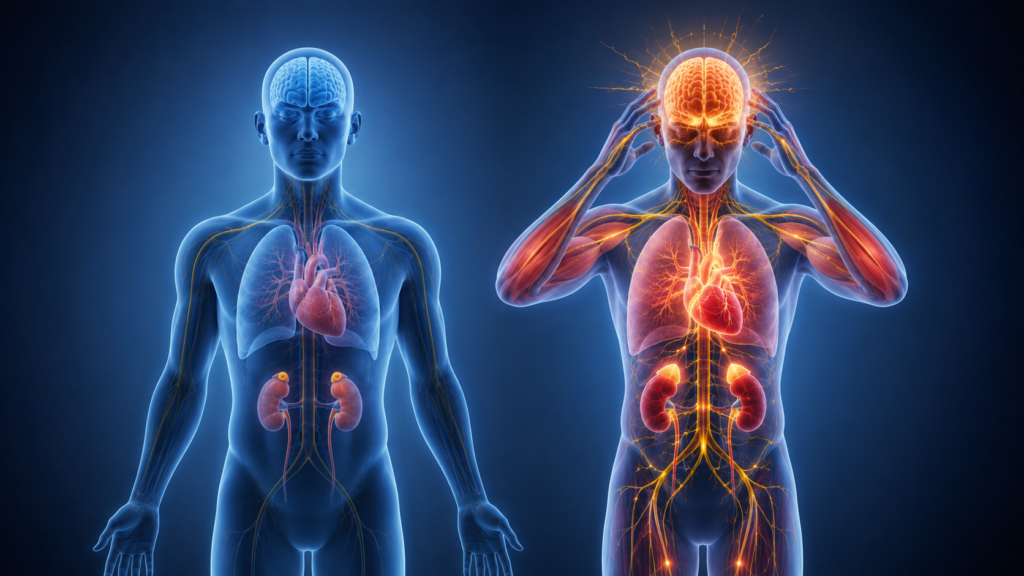
When the brain detects a potential threat or challenge, it activates what is commonly known as the “fight, flight, or freeze” response.
Several physical changes occur within seconds:
- Heart rate increases.
- Breathing becomes faster.
- Blood pressure rises temporarily.
- Muscles become tense.
- The body releases stress hormones such as adrenaline and cortisol.
- Energy is redirected toward essential organs and muscles.
These changes prepare the body to react quickly to danger.
For our ancestors, this response was vital for surviving immediate physical threats. Today, however, stress is more likely to result from deadlines, financial concerns, relationship difficulties, traffic, or work pressures rather than physical danger.
When the stressful situation passes, the body’s systems usually return to normal.
Acute Stress vs. Chronic Stress
Not all stress is the same.
Acute Stress
Acute stress is short-term and usually disappears once the situation has passed.
Examples include:
- Giving a presentation
- Sitting an examination
- Avoiding a traffic accident
- Participating in a sports competition
Although uncomfortable, acute stress is usually temporary.
Chronic Stress
Chronic stress continues over weeks, months, or even years.
Possible causes include:
- Ongoing financial difficulties
- Long-term caregiving responsibilities
- Workplace burnout
- Persistent relationship conflict
- Chronic illness
- Prolonged uncertainty
Over time, chronic stress can affect both physical and mental health if it is not managed effectively.
🌱 CurioReader Tip
Stress itself is not the enemy. The goal is not to eliminate all stress but to develop healthy ways of responding to it before it becomes overwhelming.
Anxiety: A Normal Emotion and a Health Condition
Everyone experiences anxiety from time to time.
Feeling anxious before public speaking, starting a new job, or waiting for important medical results is a normal human experience.
Anxiety becomes a concern when it is:
- Persistent
- Excessive
- Difficult to control
- Out of proportion to the situation
- Interfering with daily life
When anxiety significantly affects work, education, relationships, or everyday functioning, it may indicate an anxiety disorder that should be assessed by a qualified healthcare professional.
Common Signs of Anxiety
Although experiences vary, anxiety may involve:
Emotional signs
- Excessive worry
- Restlessness
- Irritability
- Feeling overwhelmed
- Difficulty relaxing
Physical signs
- Rapid heartbeat
- Sweating
- Muscle tension
- Trembling
- Upset stomach
- Shortness of breath
- Difficulty sleeping
Experiencing one or more of these symptoms occasionally does not necessarily mean someone has an anxiety disorder.
Real-Life Example
Imagine preparing for your driving test.
Feeling nervous beforehand is completely normal.
However, if fear becomes so overwhelming that someone avoids driving entirely for months despite needing to travel, that level of anxiety may warrant professional assessment.
The difference often lies in intensity, duration, and impact on daily life, not simply the presence of worry itself.
Understanding Depression
Feeling sad after disappointment or loss is part of being human.
Depression is different.
Depression is a medical condition that involves persistent changes in mood, thinking, energy, and daily functioning. It is more than simply “feeling sad.”
People experience depression differently, but symptoms may include:
- Persistent low mood
- Loss of interest in previously enjoyable activities
- Fatigue
- Changes in sleep
- Changes in appetite
- Difficulty concentrating
- Feelings of hopelessness
- Reduced motivation
Symptoms usually persist for weeks rather than days and can significantly affect everyday life.
Depression is a treatable health condition, and many people recover or successfully manage it through evidence-based care and support.
Myth vs. Fact
| Myth | Fact |
|---|---|
| Depression is simply sadness. | Depression is a medical condition that affects mood, thinking, energy, and daily functioning. |
| Anxiety means someone is weak. | Anxiety disorders are recognized health conditions and are not a sign of personal weakness. |
| Stress always leads to mental illness. | Most people experience stress without developing a mental health disorder. Healthy coping strategies and support are important protective factors. |
Emotional Resilience: Bouncing Back from Challenges
Life inevitably includes setbacks.
People lose jobs, experience illness, move to new places, face relationship difficulties, and encounter unexpected disappointments.
Emotional resilience is the ability to adapt and recover after these experiences.
Resilience does not mean ignoring emotions or pretending everything is fine.
Instead, resilient people often:
- Accept difficult emotions.
- Seek support when needed.
- Focus on solutions where possible.
- Learn from setbacks.
- Maintain hope during difficult periods.
- Continue moving forward, even when progress is slow.
Importantly, resilience is not a fixed personality trait.
It is a skill that can be strengthened throughout life.
Protective Factors That Build Resilience
Research has identified several factors associated with stronger resilience.
These include:
- Supportive relationships
- Healthy coping strategies
- Regular physical activity
- Quality sleep
- Problem-solving skills
- Self-compassion
- A sense of purpose
- Community involvement
- Access to appropriate healthcare
Developing resilience does not prevent hardship, but it often improves how people respond to it.
🔍 CurioReader Insight
Resilience is often compared to a muscle. It grows through repeated practice rather than appearing overnight. Small everyday habits—such as maintaining routines, asking for help, and reflecting on challenges—can gradually strengthen emotional resilience over time.

Healthy Coping Strategies
Everyone copes with stress differently.
Some strategies are generally helpful and support long-term well-being.
Others may provide temporary relief but create additional problems later.
Healthy coping strategies include:
- Talking with trusted friends or family.
- Regular physical activity.
- Maintaining a consistent sleep schedule.
- Practicing mindfulness or relaxation techniques.
- Spending time outdoors.
- Journaling thoughts and emotions.
- Breaking large problems into smaller steps.
- Seeking professional support when needed.
- Maintaining hobbies and enjoyable activities.
Coping Strategies to Avoid
Some responses may seem helpful in the short term but can increase difficulties over time.
Examples include:
- Excessive alcohol use
- Recreational drug use
- Social withdrawal
- Ignoring persistent problems
- Aggressive behaviour
- Constantly suppressing emotions
Recognizing unhealthy coping patterns is often the first step toward replacing them with healthier alternatives.
Everyday Habits That Support Mental Well-Being
Mental well-being is influenced by countless small daily decisions.
Although no routine guarantees perfect mental health, evidence suggests several habits consistently support psychological well-being.
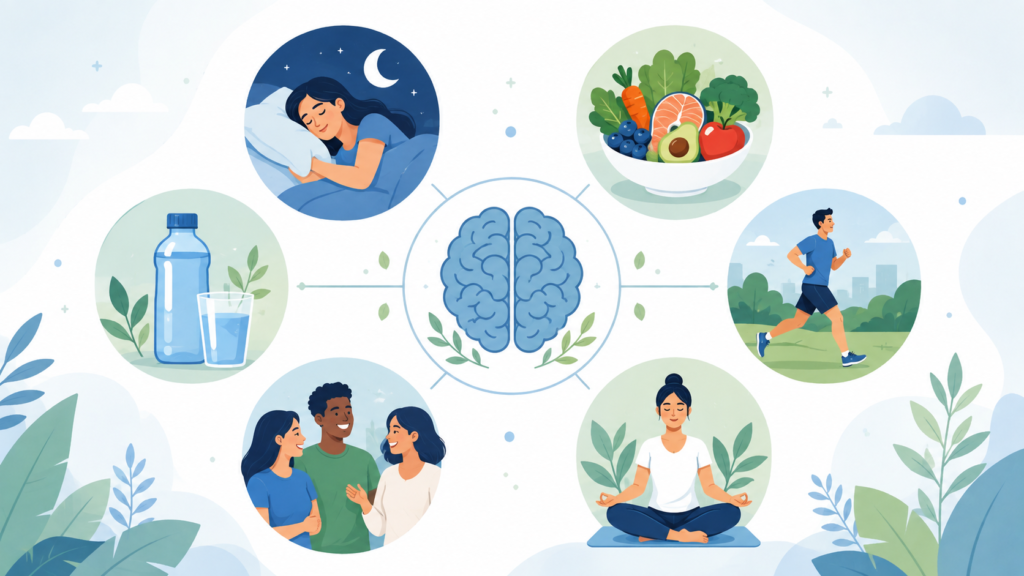
Prioritize sleep
Aim for consistent, restorative sleep whenever possible.
Stay physically active
Even moderate physical activity contributes to emotional well-being.
Eat a balanced diet
Nutritious foods provide the brain with the energy and nutrients needed for normal function.
Stay socially connected
Regular conversations and meaningful relationships provide emotional support and a sense of belonging.
Take regular breaks
Short breaks during work or study help reduce mental fatigue.
Spend time in nature
Parks, beaches, forests, and gardens may help reduce stress and improve mood for many people.
Practice self-compassion
Treat yourself with the same kindness you would offer a close friend facing a difficult situation.
Did You Know?
🌍 Research has shown that regular physical activity, sufficient sleep, supportive social relationships, and reducing chronic stress are all associated with better mental well-being. While these habits are not treatments for every mental health condition, they form an important foundation for overall health.
Quick Summary
Mental well-being is strengthened by understanding both challenges and protective habits.
Key points include:
- Stress is a normal biological response.
- Chronic stress can affect both body and mind.
- Anxiety and depression are more than everyday worry or sadness.
- Emotional resilience can be developed throughout life.
- Healthy coping strategies make a meaningful difference.
- Small daily habits often have powerful long-term effects.
Key Takeaways
- Mental health is influenced by biological, psychological, social, and environmental factors.
- Stress is a normal part of life, but chronic stress can affect overall well-being.
- Anxiety and depression are common, treatable health conditions that differ from everyday emotions.
- Emotional resilience is a learnable skill that helps people adapt to life’s challenges.
- Healthy coping strategies and supportive relationships play a major role in maintaining mental well-being.
- Consistent habits—such as good sleep, regular physical activity, balanced nutrition, and social connection—support both mental and physical health.
Mindfulness: Being Present in the Moment
Modern life is often filled with constant notifications, busy schedules, and endless distractions. Many people spend much of their day thinking about past experiences or worrying about future events. Mindfulness is a practice that encourages people to focus their attention on the present moment with openness and without judgment.
Mindfulness is not about emptying the mind or eliminating thoughts. Instead, it involves noticing thoughts, emotions, and physical sensations without immediately reacting to them.
Research suggests that mindfulness-based practices may help reduce stress, improve emotional regulation, and enhance overall well-being for many people when practiced regularly as part of a healthy lifestyle.
Common mindfulness activities include:
- Paying attention to your breathing.
- Observing your surroundings using your senses.
- Mindful walking.
- Gentle stretching or yoga.
- Guided meditation.
- Eating slowly while focusing on taste and texture.
Like any skill, mindfulness improves with regular practice.
💡 CurioReader Tip
You don’t need an hour of meditation each day to experience the benefits of mindfulness. Even five minutes of intentionally focusing on your breathing or surroundings can help create moments of calm during a busy day.
Self-Care: Looking After Your Mental Well-Being
Self-care has become a popular term, but it is often misunderstood.
True self-care is not simply about spa treatments or holidays. It refers to the regular habits and choices that support your physical, emotional, and psychological health.
Healthy self-care includes:
Physical Self-Care
- Getting enough sleep.
- Eating nutritious meals.
- Staying physically active.
- Drinking enough water.
- Attending routine medical check-ups.
Emotional Self-Care
- Expressing emotions in healthy ways.
- Practicing self-compassion.
- Setting realistic expectations.
- Taking breaks when needed.
Social Self-Care
- Spending time with supportive friends and family.
- Participating in community activities.
- Maintaining healthy boundaries in relationships.
Intellectual Self-Care
- Reading books.
- Learning new skills.
- Solving puzzles.
- Exploring hobbies.
- Staying curious.
Self-care is not selfish—it helps maintain the energy and resilience needed to care for others and meet daily responsibilities.
🌍 Did You Know?
Healthy routines often have a cumulative effect. Small daily habits—such as sleeping well, staying active, and maintaining social connections—may contribute more to long-term well-being than occasional large efforts.
When Should You Seek Professional Help?
Everyone experiences emotional ups and downs. However, there are times when professional support is appropriate.
Consider speaking with a qualified healthcare professional if emotional or psychological difficulties:
- Last for several weeks or longer.
- Interfere with work, school, or relationships.
- Make everyday tasks difficult.
- Cause persistent sadness, anxiety, or hopelessness.
- Lead to significant changes in sleep or appetite.
- Feel overwhelming or difficult to manage alone.
Seeking help early often leads to better outcomes. Just as people seek medical advice for persistent physical symptoms, it is appropriate to seek professional support for ongoing mental health concerns.
Professionals who may provide support include:
- General practitioners (family doctors)
- Psychologists
- Psychiatrists
- Licensed counsellors or therapists
- Mental health nurses
- Social workers
Treatment plans vary depending on individual needs and may include education, psychological therapies, lifestyle changes, medication when appropriate, or a combination of approaches.
Important Note
If you or someone you know is experiencing thoughts of self-harm or suicide, or is in immediate danger, seek emergency assistance or contact your local crisis services immediately. Early intervention can save lives.
Supporting Someone Experiencing Mental Health Challenges
Many people want to help a friend, family member, or colleague who appears to be struggling but are unsure how to respond.
Support does not require having all the answers.
Helpful approaches include:
Listen Without Judgment
Sometimes the most valuable support is simply listening with patience and empathy.
Encourage Professional Support
If someone appears to be struggling significantly, gently encourage them to speak with a qualified healthcare professional.
Avoid pressuring or criticizing.
Stay Connected
Simple actions can make a difference:
- Sending a message.
- Making a phone call.
- Inviting someone for a walk.
- Checking in regularly.
Consistent social support often helps reduce feelings of isolation.
Respect Their Experience
Avoid statements such as:
- “Just cheer up.”
- “Everyone feels stressed.”
- “It’s all in your head.”
Instead, consider saying:
- “I’m here to listen.”
- “That sounds really difficult.”
- “How can I support you?”
- “Would it help to talk with someone together?”
Compassion and understanding often matter more than finding the perfect words.
CurioReader Insight
Supporting someone does not mean becoming their therapist. Friends and family can provide encouragement and compassion while recognizing that professional care may also be needed.

Mental Health Across Different Stages of Life
Mental health evolves throughout life.
Different ages often bring different opportunities and challenges.
Childhood
Children develop emotional skills through:
- Secure relationships.
- Play.
- Learning.
- Positive routines.
- Supportive caregivers.
Early emotional development provides a foundation for later well-being.
Adolescence
Teenagers experience rapid physical, emotional, and social changes.
Common challenges include:
- Identity development.
- Academic pressure.
- Friendships.
- Social media.
- Independence.
Supportive adults and healthy communication play important roles during this stage.
Adulthood
Adults often balance multiple responsibilities, including:
- Careers.
- Financial pressures.
- Relationships.
- Parenting.
- Caring for older family members.
Maintaining healthy routines becomes increasingly important.
Older Adulthood
Older adults may experience:
- Retirement.
- Changes in physical health.
- Bereavement.
- Reduced social contact.
Remaining socially active, physically engaged, and mentally stimulated supports healthy aging.
Mental well-being remains important at every stage of life.
The Future of Mental Health Research
Scientists continue improving our understanding of the brain and mental well-being.
Current areas of research include:
- Brain imaging technologies.
- Genetics.
- Personalized treatments.
- Digital mental health services.
- Artificial intelligence in healthcare.
- Prevention strategies.
- Early intervention programs.
Researchers are increasingly recognizing that prevention, education, community support, and early care are just as important as treatment.
Myth vs. Fact
| Myth | Fact |
|---|---|
| Asking for help means you’ve failed. | Seeking support is a healthy and responsible step when challenges become difficult to manage alone. |
| Self-care is selfish. | Looking after your own well-being helps you care for others more effectively. |
| Mental health only matters during difficult times. | Mental well-being should be maintained throughout life, just like physical health. |
Frequently Asked Questions
What is the difference between mental health and emotional well-being?
Mental health is a broad concept that includes emotional, psychological, and social well-being. Emotional well-being focuses specifically on understanding, expressing, and managing emotions.
Can mental health change over time?
Yes. Mental health exists on a continuum and can improve or decline depending on life experiences, physical health, relationships, environment, and access to support.
Does stress always harm mental health?
No. Short-term stress can improve focus and motivation. Problems are more likely when stress becomes chronic or overwhelming.
Can healthy habits improve mental well-being?
Healthy habits such as regular physical activity, quality sleep, balanced nutrition, social connection, and stress management support overall mental well-being. While they are not cures for mental health conditions, they form an important foundation for good health.
Is it normal to experience difficult emotions?
Absolutely. Everyone experiences sadness, disappointment, anger, fear, and worry. These emotions are part of being human. Seeking support is appropriate when emotional difficulties become persistent, overwhelming, or interfere with daily life.
Key Takeaways
- Mental health is an essential part of overall health.
- Everyone has mental health, regardless of whether they have a diagnosed mental health condition.
- Emotional well-being includes self-awareness, resilience, healthy relationships, and purpose.
- Biology, experiences, lifestyle, and social environments all influence mental health.
- Healthy daily habits support long-term psychological well-being.
- Stress is normal, but chronic stress deserves attention.
- Anxiety and depression are treatable health conditions.
- Seeking professional help is a sign of strength, not weakness.
- Supporting others begins with empathy, listening, and encouragement.
- Mental well-being is a lifelong journey that deserves regular attention.
Conclusion
Mental health is far more than the absence of mental illness—it is the foundation that influences how we think, feel, learn, work, build relationships, and respond to life’s challenges. Like physical health, it changes over time and is shaped by a combination of biological, psychological, social, and environmental factors. Understanding this broader perspective helps replace stigma with knowledge and encourages healthier conversations about emotional well-being.
Although life inevitably includes periods of stress, uncertainty, and loss, there are many practical ways to support mental well-being. Prioritizing sleep, staying physically active, maintaining meaningful relationships, practicing self-care, and developing healthy coping strategies all contribute to resilience. When difficulties become persistent or overwhelming, seeking support from qualified healthcare professionals is a positive and responsible step toward recovery.
Ultimately, caring for your mental health is not something to do only during difficult times—it is an ongoing investment in your overall quality of life. By building healthy habits, showing compassion to yourself and others, and recognizing that everyone experiences emotional challenges differently, you can create a stronger foundation for lifelong well-being.
Further Reading & Resources
Continue your learning journey with more expert guides and insightful articles from CurioReader. Explore related topics below to deepen your understanding and discover new perspectives.
Related CurioReader Articles
- The Complete Guide to Human Psychology: Understanding How the Mind Works.
- What Happens After Death? Exploring Science, Philosophy, and Faith.
Recommended External Resources